Best Program to Do a Continual Picture Display
17 Best Photo Editing Software for Photographers (2022 Ultimate Guide)
by Alexandra Bateman on Oct 15, 2022
Do you want professional photo editing software on Mac or Windows so that you can perfect your photos? Whether you're a beginner or a pro, editing your photos before uploading them to your photography website is essential. In this guide, we'll share the best photo editing software for photographers.
The best photo editing software can help to bring focus to an image, highlight your key subjects and transform an average picture into something truly incredible.
But the question for most photographers is: how do you choose the right editing software to supplement your skills?
There are countless different photo editing software options, from better-known systems like Adobe's Photoshop and Lightroom to simple but effective choices like Canva. There's even some great free options, too.
So, in today's post we'll find out once and for all, "what is the best photo editing software for photographers?" We'll look at:
- Today's free and paid top-rated photo editing software
- Features of each photo editing software
- How maximize your photo editing software options
Let's get started!
Why Should You Edit Your Photos?
Photo editing is part of the job if you're a photographer. Through editing, you can make your already stunning photos even more perfect by adjusting metrics like exposure, white balance and color.
Plus, editing your photos helps to reduce the size of your image files. This is especially important if you plan on posting your images online to your photography website or to a social media account. Smaller images will improve your WordPress sites' loading speed, which will in turn improve your search engine rankings. And, smaller image files post faster and with better quality on your social accounts.
So, photo editing is a win for you all around!
Having an intuitive and easy-to-use photo editing software can help you save time on photo editing while taking your images to the next level.
Let's take a look at some of the best photo editing software available online today. We'll be evaluating these software on three core principles:
- Ease of Use
- Functionality
- Opportunities for Expansion
In other words, how intuitive are these programs to learn? What capabilities do they have — and not have — as photo editors? And finally, do they offer opportunities to expand their functionality through additions like plugins or presets?
Without further ado, let's see what these photo editing software have to offer!
1. Adobe Lightroom
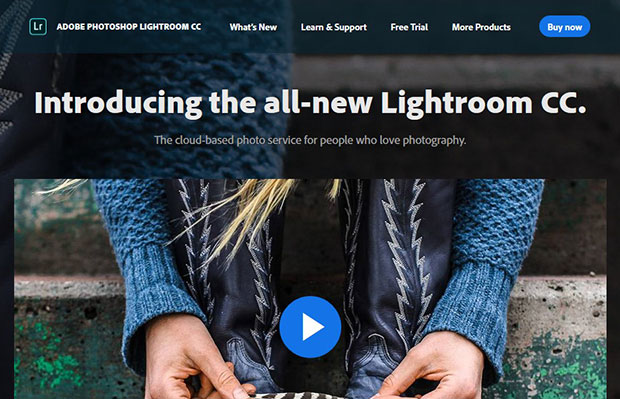
It's impossible to ignore Adobe Lightroom when talking about the best photo editing software for photographers. In fact, Adobe products are considered the gold-standard when it comes to image editing software.
But why? What makes Lightroom so great? Let's take a look.
Adobe Lightroom Interface
If Photoshop comes off as too complex and cumbersome, then you're sure to love Lightroom's simple, beginner-friendly interface.
Lightroom's clean and easy workspace allows you to focus on what's important — your image. The left-hand panel gives you quick access to your image library, so you can toggle between photos as you edit. Within the right-hand panel, you'll find drop-down menus for making quick adjustments, adding keywords to your images and more.
In order to really get into your photo editing, you'll need to access Lightroom's horizontal tabs along the top of the workspace. All of your basic and advanced photo editing tools live in the Develop module. From there, you can manipulate your photo with lens correction, split toning, effects and other basic adjustments.
Having a centralized panel for all of your photo editing tools sets Lightroom apart and makes it super intuitive to use!
And, in the Develop module's left-hand panel, Lightroom keeps stock of your photo edits in a drop-down labeled History. That way, you can easily scroll back through your image edits, make changes and review your edits before saving them in a custom preset.
Also, you may notice that Lightroom gives you a guided walkthrough of each module the first time you open the program after downloading the software. Unlike some other in-app tours, Lightroom's tutorial hits all the highlights so you don't miss a thing. With this brief introduction alone, you'll be able to get started on your own edits.
Multi-Use Program
This program is more than just a photo editor. It's a photo organizer, too. Lightroom allows you to easily store and rank your images inside the program, which eliminates the need for an external photo organizing program. Simply assign your photos a star rating based on editing priority — or any other metric for that matter — and get to work!
It's clear that Adobe designed Lightroom to work for photographers at every skill level. So rest assured, Lightroom's navigable interface doesn't mean it isn't powerful. That's what makes Lightroom all the more impressive — it doesn't sacrifice functionality for ease of use!
Lightroom Key Features
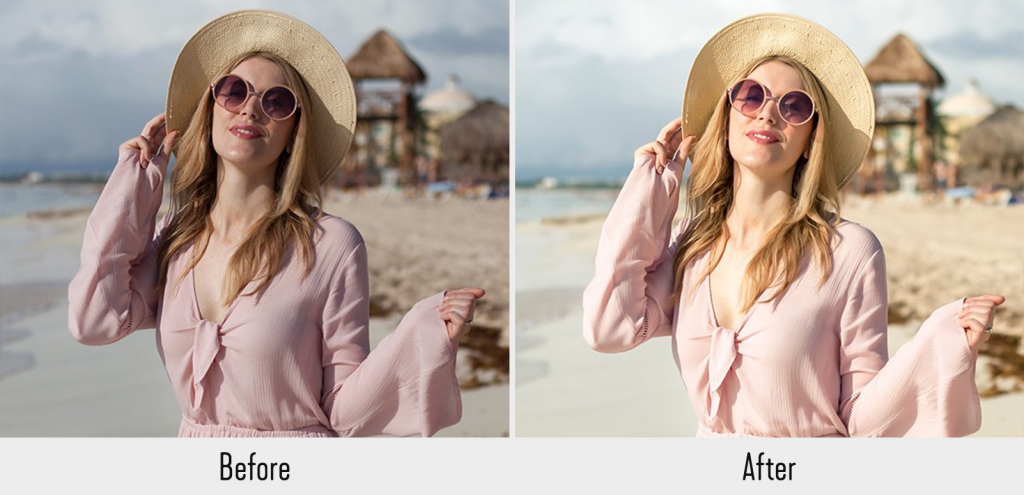
For most freelance photo editors, Adobe Lightroom offers all the tools you'll need to create stunning portrait, landscape, real estate and other photography. Lightroom's host of fantastic features includes:
- Face detection for photo organization
- Camera and lens-based corrections
- Brush and gradient adjustments
- Fixing and blurring tools
- Presets and professional filters
- Customizable sliders
- Multiple device support and sync
You can get Adobe Lightroom and Photoshop together here in Adobe's Creative Cloud Plan.
Adobe Lightroom Extras
Given its library of pre-made editing solutions called presets, Lightroom is one of the most expansive photo editors on the market. These presets make it easier than ever to achieve a specific look in your photos. Simply find a preset package you like via Lightroom's preset marketplace or online, then apply it to one or more of your images for a flawless edit.
Of course, presets work wonderfully for batch editing your photos at a break-neck pace. And, you can even design your own custom presets, which work like editing recipes for future photo edits. You can always edit pre-made or custom presets before you apply them, or you can adjust their sliders for a tailored application, depending on your photo.
With Lightroom's presets, you have the opportunity to continually expand the software's editing capabilities.
Not to mention, many third-party plugins and applications have integrated with Lightroom to make using the program even easier. Envira Gallery, for example, includes Adobe Lightroom to WordPress integration that allows you to easily sync your Lightroom photo galleries with your photography website.
Cost
Adobe Lightroom is available as a singular app, or as part of one of Adobe's Creative Cloud packages. You can get Lightroom and Photoshop together for just $9.99/month.
Get Lightroom now.
2. Skylum Luminar AI
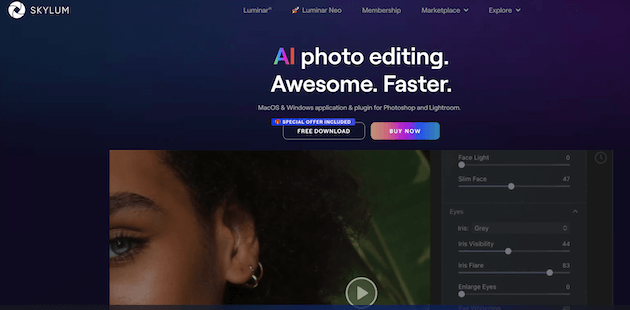
For many reasons, Luminar has quickly grown to become one of the the most popular editing tools for professional photographers around the world. For one, you pay a one-time flat fee for the program rather than a monthly subscription like Adobe. And, Luminar offers a ton of built-in tools and accessories!
Luminar is a one-stop shop for photo editing that can be used by itself or as a plugin in with Lightroom, Photoshop and even Apple Photos.
Skylum Luminar Interface
Believe it or not, Skylum Luminar uses the same keyboard shortcuts that Adobe's Lightroom does. This is especially helpful if you're already familiar with Lightroom's interface. If that's true of you, you'll find switching to Luminar an easy transition given the consistent keyboard shortcuts between the two software.
And, like Lightroom, you can use Luminar as both a photo editor and a photo organizer. Once again, this means that you can upload your images to your Luminar Library so that all of your photo editing workflow is centralized in one place!
Like Lightroom, you can then sort, tag and categorize your images within the Luminar Library to make them easier to find. Many also find the Luminar Library to be simpler and more intuitive even than Lightroom's library.
Where Luminar excels over Lightroom is its preset workspace options. Luminar provides preset workspaces each specifically designed with an editing task in mind. For example, Luminar's preset workspaces include:
- Professional
- Quick & Awesome
- Essentials
- Aerial Photography
- Black and White
- Landscape
- Portrait
- Street
In addition to those presets, you can create your own workspace by saving the tools you use most often to a blank workspace.
If this feature sounds familiar, it's because Photoshop also provides preset workspaces. But, you'll note that Luminar's preset workspace options are much more extensive and cover a greater number of photography-specific needs. Anything to streamline your photo editing!
Skylum's Luminar also offers more editing tools than Lightroom, but fewer than Photoshop. For example, Layers support is missing, which is crucial in Photoshop. Having more editing tools is both an advantage and a disadvantage — they make the program more challenging to navigate, but they also allow you to do more with your photos.
Here's what we love about Luminar's editing tools:
Skylum Luminar Key Features
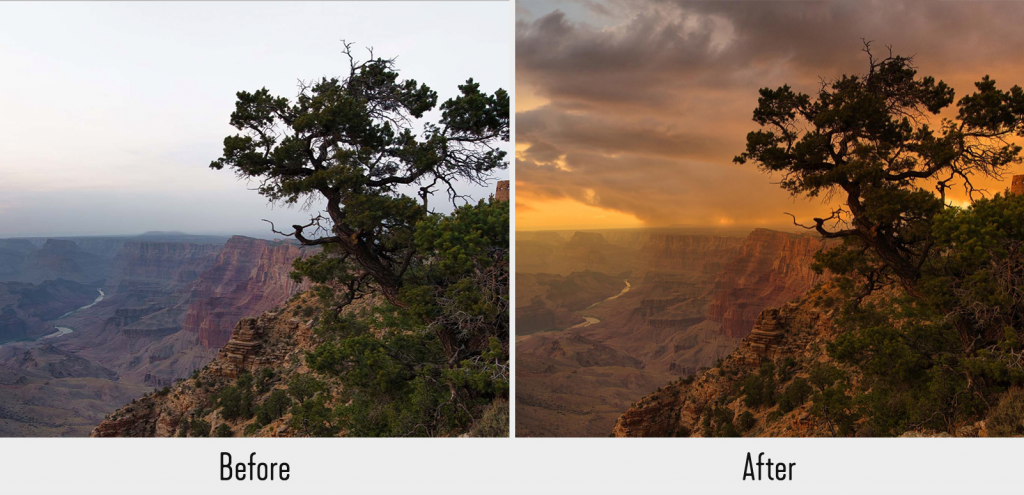
Luminar has gained popularity for its AI slider, which applies automatic quick fixes to your photos including brightening, clarifying, toning and other basic adjustments.
It also comes with a host of built-in tools to make your photo editing easier and faster. These Skylum Luminar features include:
- AI Editor
- Exclusive filters like Sunrays filter (which lets you add realistic looking sun rays to your images) and Orton filter (made famous by the Lord of the Rings and blurs parts of the image while focusing in on others)
- Adjustment Layers
- Image Layers
- Dedicated presets for DJI drone photos
Skylum Luminar Extras
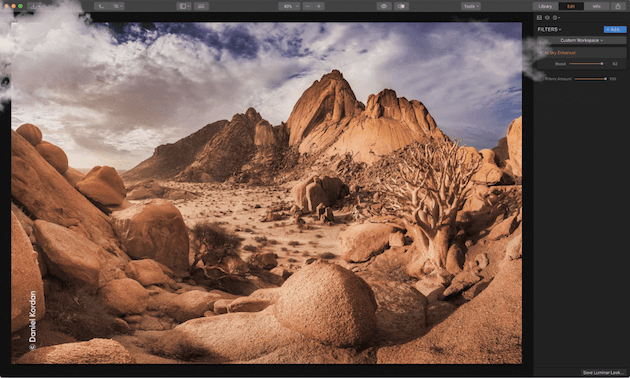
What we love most about Skylum Luminar is its expandable gallery of Luminar Looks. These Looks are sets of editing solutions, much like Lightroom's presets. But, Luminar Looks are even easier to use, and there's more of them!
Skylum's extensive Luminar Looks collection makes achieving specific, stylized photos even easier than ever. And, while Skylum comes pre-packaged with its own set of high-quality Looks, you can also find them for free all over the internet. Some of them are made by freelance photographers, but others are made by popular, professional photographers to help you achieve the looks you've loved in their work.
Once you apply a Luminar Look to your image, you can tweak the edit's intensity and fine-tune it to fit your photo. You can also build and save your own Luminar Looks, which saves you editing time in the long-run.
Cost
If you're liking the sounds of Skylum Luminar, you can purchase it online for a one-time fee. This purchase gives you access to Skylum Luminar for life! Plus there is a 30 day money back guaranty.
Get $50 off Luminar now.
3. Adobe Photoshop
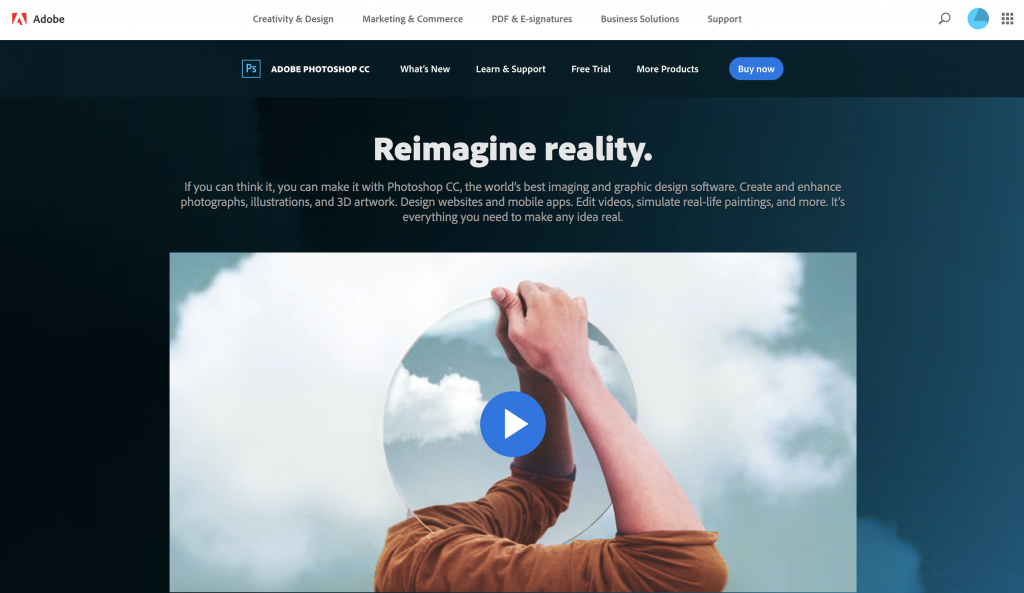
It's hard to write an article about the best photo editing software for photographers without giving Adobe Photoshop a well-deserved mention. For artists, illustrators, and designers around the world, Photoshop has proven to be a capable and trustworthy editing tool.
Adobe Photoshop Interface
We'll be honest, Photoshop isn't known for its simplicity. In fact, if you've heard anything about Photoshop's interface, it's likely been how difficult it is to navigate! And it's true — Photoshop isn't the easiest software to learn. Instead, like most things in life worth doing, it requires a bit of patience.
The reason many beginners to photo editing struggle to use Photoshop is because it offers such an enormous amount of tools. We'll talk more later about all the great things you can accomplish with Photoshop, but know that it does attempt to lessen the learning curve offering organized workspaces.
Photoshop offers several different preset workspaces, designed to trim away the excess tools you don't need for your project. You can find these workspaces under Window >> Workspace in the upper menu bar. There, you'll see preset workspace options for Essentials editing, 3D, Graphics and Web and even Photography!
These workspace presets provide a great introduction to Photoshop, because they emphasize the best tools for the job. The Photography workspace, for example, puts Photoshop's brush, histogram panel and selection tools right at your fingertips. The 3D workspace, on the other hand, prioritizes Photoshop's 3D panel and 3D Material Dropper.
Of course, as you get more familiar with Photoshop and decide which editing tools you prefer, you can create and save your own customized workspace. A customized workspace that features only your favorite tools goes a long way to increasing your editing speed and streamlining your workflow!
So, even though Photoshop can be difficult to master, it's not necessarily difficult to learn. It's pre-made workspaces, in-app tools descriptions and clear tools icons help make learning the program more manageable. Don't try to dive in all at once! A piece-by-piece approach to Photoshop will likely be the more successful route.
Key Features of Photoshop
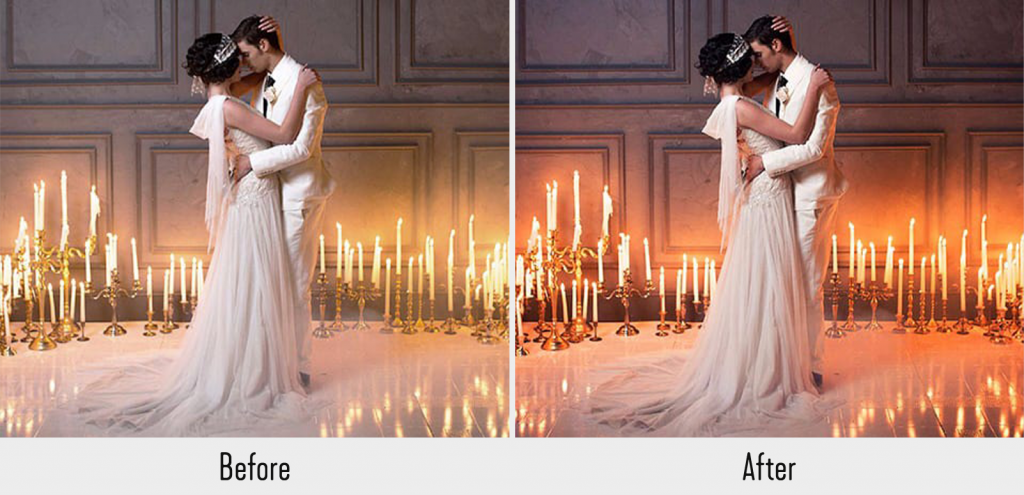
Photoshop's masking, retouching and layering tools are still some of the most compelling on the market. Although, it's fair to say that these tools might not be best for basic touch-ups, which would be best left for Lightroom. Photoshop is designed for professionals who need all the bells and whistles.
Photoshop's built-in features include:
- Sophisticated touch-up and retouching
- Extensive filters and brushes
- Multi-layer editing
- 3D design functionality
- Pro editing tools
- Advanced color editing
Adobe Photoshop provides tools you simply won't find in other photo editing software. If you're a photo editor who works on graphic design projects or other, more layered assignments, Photoshop might be the photo editor for you.
Otherwise, if you're looking to touch up your photos before you turn them over to clients, you'd likely be happy with a more basic program. Still, if you see your photo editing needs increasing in the future, you might want to begin learning Photoshop. That way, you'll know how to do all of your edits in one software!
Adobe Photoshop Extras
Like many other photo editors on this list, Photoshop can increase its functionality through additional filters. That being said, Photoshop doesn't have nearly as many filters available as programs like Lightroom and Skylum Luminar. And, while you can import and use presets in Photoshop, you may find that they complicate your workflow.
Still, Photoshop does offer some other unique expansion opportunities. For example, you can import brushes and create your own brushes to use in your photo editing. You can also use Photoshop to create short animations or GIFs using the program's Timeline window.
Honestly, Photoshop's built-in capabilities are already so advanced, that it only makes sense that there are fewer chances to expand the software's functionality.
Don't know whether you need Photoshop or Lightroom? Check out our guide: Lightroom vs Photoshop: Which is the Best Solution
Cost of Photoshop
The other great thing about Adobe Photoshop is that you can get it through Adobe's Photography Plan, which pairs it with Adobe Lightroom. That means you get two powerful photo editors for a monthly subscription fee of $9.99/month!
You can get Adobe Lightroom and Photoshop together here in Adobe's Creative Cloud Plan.
4. DxO PhotoLab 4
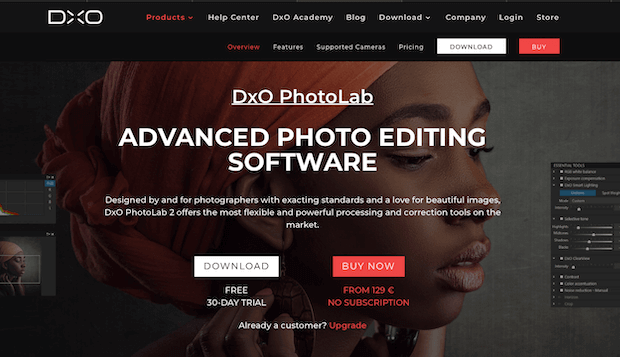
DxO PhotoLab is a solid alternative photo editor. It converts your RAW images to JPG very smoothly, and it works great with both Mac and Windows operating systems.
This photo editing and organizing system comes with customizable interface options, presets, color protection and multiple export formats so that you can accomplish all your tasks in one place. Of course, those perks come alongside a host of interesting and helpful features.
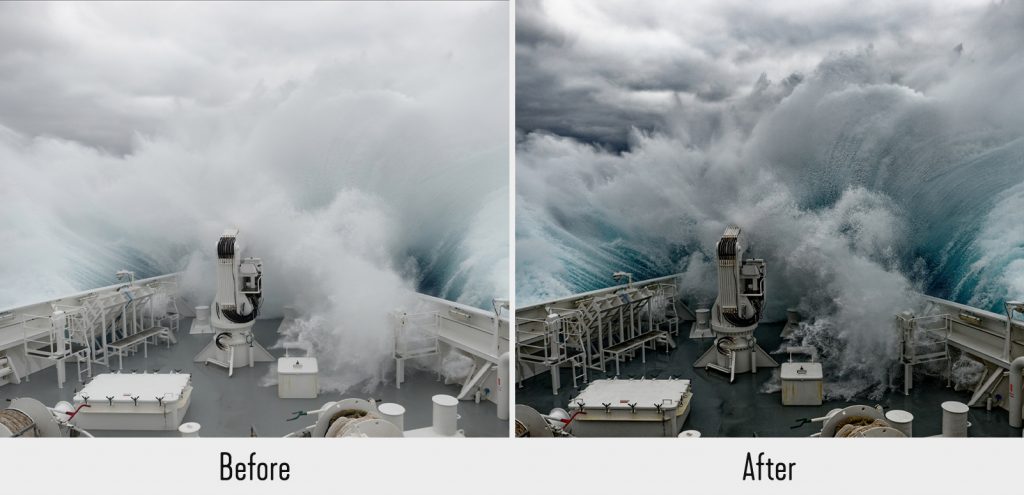
DxO PhotoLab offers a suite of processing and correction tools that meet the needs of real photographers.
Some features include:
- U Point local adjustment technology
- Manual and automatic mode
- Customized profiles
- A multitude of optical corrections
Also, you can sign up for a free-day trial before committing to a subscription, so get DxO PhotoLab now.
5. ON1 Photo RAW
ON1 Photo RAW is a complete photo editing software that you can try for free. It works wonders on your photographs!
ON1 Photo RAW Interface
Not only is Photo RAW easy to download and install, but it offers a free trial! Simply follow the on-screen instructions to download the software, then use it on any major operating system, including PC and Mac OS X.
After you've installed and opened ON1 Photo RAW, you'll find a selection of getting started video tutorials waiting for you! See, ON1 Photo RAW is so dedicated to saving your time during your photo edits that it even eliminated the need to search for your own tutorial videos.
Once you actually enter into the software's workspace, you may feel a bit overwhelmed. Like most photo editors, ON1's selection of editing tools can be a bit intimidating if you're not a practiced photo editor.
Just take your time exploring ON1's features, and you'll be set!
Key Features
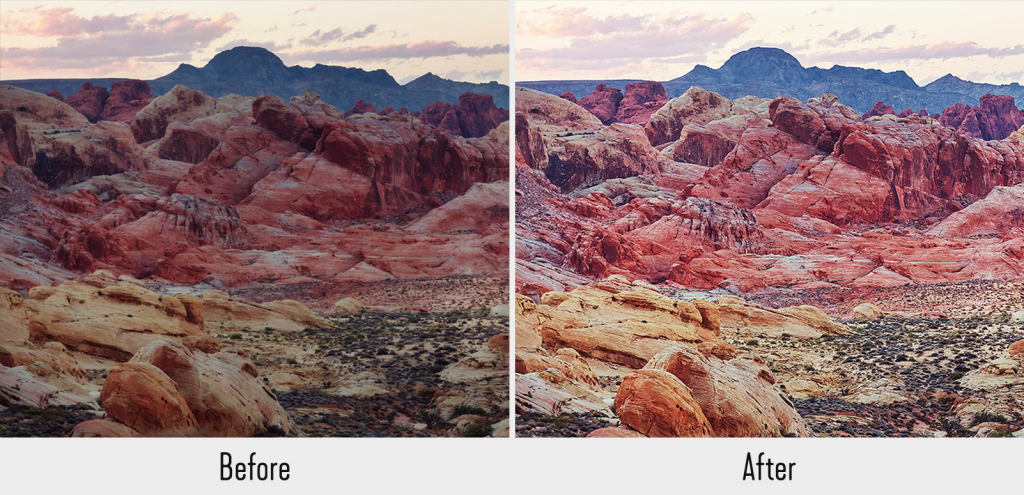
Speaking of features, ON1 Photo RAW offers several that are unique to this software! For one, this program doesn't require you to upload your RAW photos in order to edit them. In fact, all you have to do to edit your RAW images in ON1 Photo RAW is find your images where they're stored on your device and select them.
Because ON1 doesn't have to load your RAW images into the software, you'll find that it works lightning fast — even faster than Photoshop and Lightroom!
Other ON1 Photo RAW features include:
- Stackable filters
- Custom presets
- Textures and borders
- Live adjustments and previews
- Available to download on any device
- Selectively apply effects option
ON1 Photo RAW Extras
With ON1 Photo RAW, you'll gain access to literally hundreds of presets, stackable filters and other solutions to enhance your pictures in no time. And, of course, you can download even more online from fellow photo editors!
Plus, ON1 Photo RAW offers an addon for Lightroom, Aperture and Photoshop! So, if you're considering pairing photo editing software, this one works with a host of other programs.
Cost
ON1 offers three primary Photo RAW plans:
- ON1 Photo RAW Software Only – Purchase for $99.99 and own ON1 Photo RAW outright for use on up to 5 computers.
- Monthly Subscription (ON1 Photo RAW Software + ON1 360) – A subscription license to the software ensures you always have access to the latest updates, plus 1TB cloud storage for $15.99/month.
- Yearly Subscription (ON1 Photo RAW Software + ON1 360) – Enjoy the free update benefits of a subscription to ON1 Photo RAW for just $89.99/year (comes with 200GB storage) or $179.99/year (comes with 1TB storage).
Try ON1 RAW free for 30 days.
6. Corel PaintShop Pro
Corel PaintShop Pro is easily one of the most straightforward photo editing software options online for people who want a simple but effective approach to upgrading their images. Though it might not be the most advanced tool in the market at first glance, it comes with everything you need to take your images to the next level without breaking the bank.
Like some other software, it requires a one-time fee, which starts at around $60. For that price, you gain access to dozens of textures, backgrounds, and brushes to choose from. And, app updates add new features all the time.
The newest version of Corel PaintShop Pro also boasts a new Photography Workspace, specifically designed for photographers. This simplified workspace streamlines your edit workflow by offering the best photo editing tools in a simple format. In fact, you can apply most of the tools in the Photography Workspace in just one click!
And, because this workspace is touch-ready, it's perfect to use for photo editing on a tablet. Corel has even made the tool icons large and distinct so that they're easy to select on a touch device.
Key Features
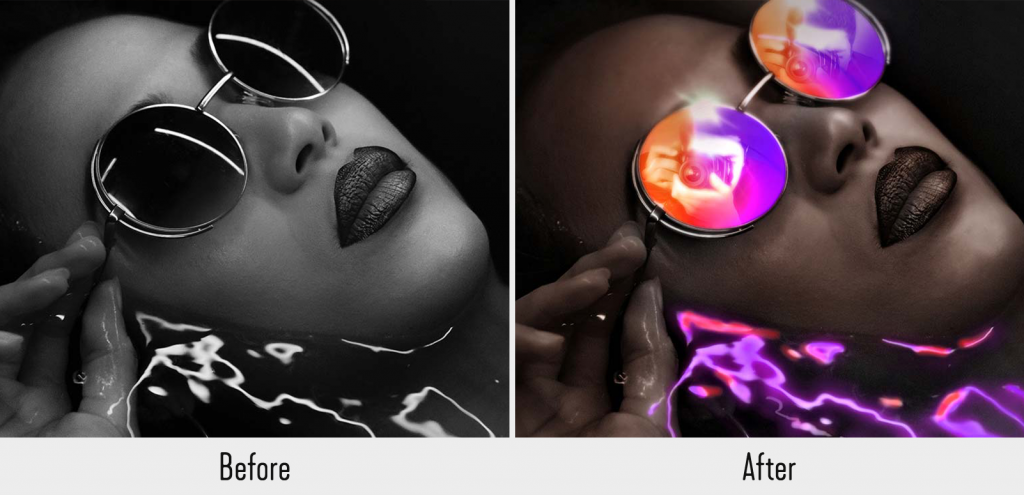
Other current features include:
- Layers and masks
- Refine brush for selections
- SmartClone technology
- AI enhanced presets
- 360-degree photo editing
- Fantastic user experience
- Graphic design tools and templates
- Photo editing options like blur and fix
- Learning tutorials
- RAW image processing
Like many other photo editing programs, Corel's PaintShop Pro also offers plugins, brush extensions, color palettes and even textures that you can import to give yourself even more editing options.
Cost of PaintShop Pro
You can own Corel PaintShop Pro for just $79.99. They have a 30-day money back guarantee if you find it doesn't work out for you.
Get Corel PaintShop Pro.
7. Serif Affinity Photo
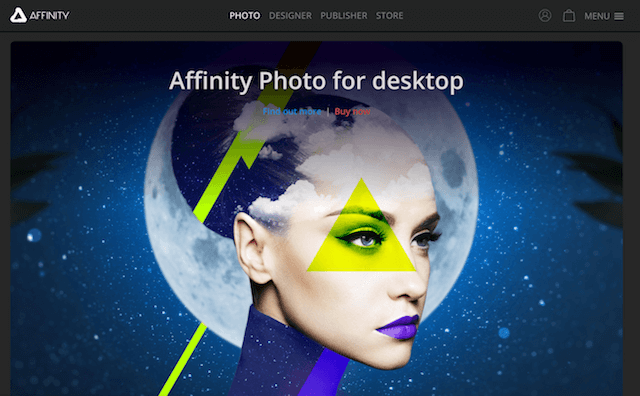
Serif Affinity Photo is becoming a strong contender against Adobe Lightroom and Photoshop. Although, it would be more fair to compare it only to Adobe's Photoshop given their nearly identical interfaces and similar capabilities. Affinity is a vector graphic design application, with a hybrid of vector and pixel art environments.
Key Features
Affinity's features include:
- RAW editing
- HDR merge
- Panorama image stitching
- Digital painting
- Batch processing
- Color correction and enhancement tools
- 360 photo editing
- Advanced retouching tools
- Brush combination capabilities
Certainly, one of Affinity's primary advantages over other software is its price. One of the cheapest photo editing solutions on the market, you can purchase Serif Affinity Pro now for a one-time fee of $49.99.
Try Affinity Pro today.
8. ACDSee Photo Studio Ultimate
ACDSee Photo Studio Ultimate is a newer contender in the photo editing arena, so it hasn't been on most professionals' radars until recently. It's an all-in-one photography software solution that can do everything you need within a simplistic interface.
And, ACDSee's Mobile Sync feature allows you to send your photos to the editing program directly from your mobile device. The Mobile Sync app even keeps track of which photos you've sent to your Photo Studio Ultimate program so you don't have to wonder which images you still need to transport.
Key Features
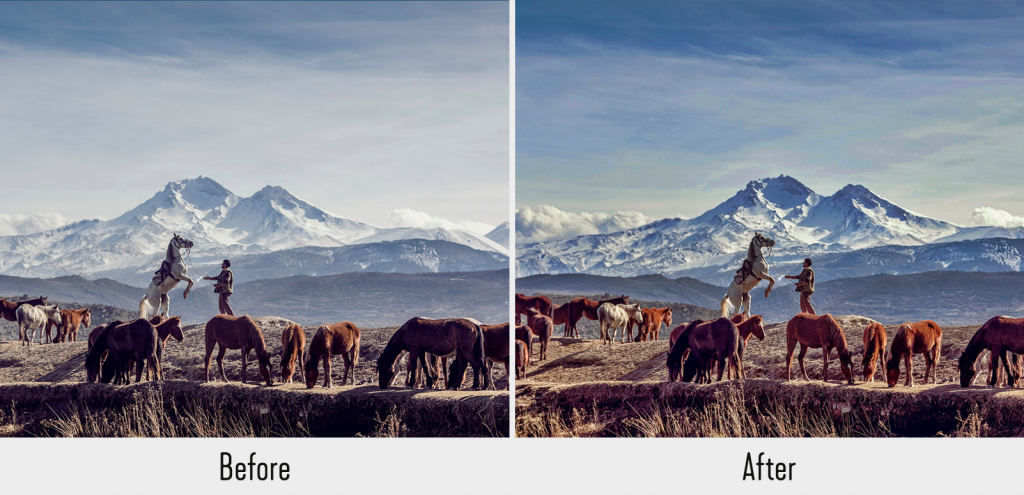
ACDSee has some strong noteworthy features worth mentioning over market competitors:
- No Importing – Directly edit source files from your drives and bypass importing the files.
- Facial Recognition – The name says it all. A solid method of organizing and indexing images.
- One time purchase price and monthly options
- Auto align and blend layers
- Parametric color
Cost
ACDSee Photo Studio Ultimate is available both as a subscription plan and as a lifetime license. The subscription plan comes with 4 ACDSee products accessible for up to 5 users for $8.90/month or $89/year and includes 50GB of storage. The Lifetime License costs $79.95 and includes 1 year of free updates and technical support.
Try ACDSee Photo Studio Ultimate today.
9. GIMP
GIMP is a free professional photo editing software that's easy to download and install on your computer. It has multiple features which help you with retouching photos, photo composition and picture enhancement. It also includes a built-in file manager.
Both beginner and professional photo editors will love GIMP's customizable interface, which allows you to create the perfect editing environment for your needs. You can customize not only the tools available, but also your workspace's color, widgets and widget spacings.
Key Features
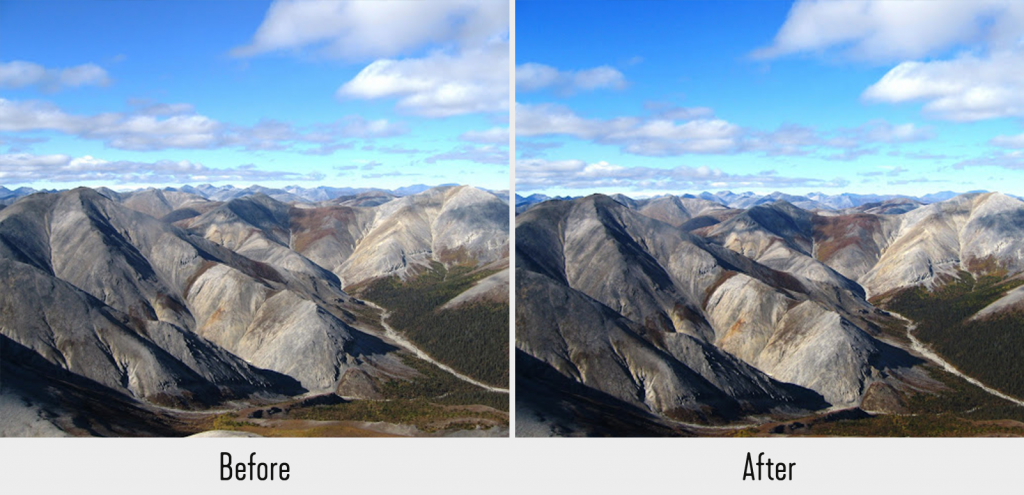
Because it comes with a range of features that help with things like photo composition and image retouching, many photographers consider GIMP to be a great entry-level alternative to Photoshop and Lightroom.
Other features include:
- Photo enhancements like corrective mode and vignette
- File management and optimization modes
- Digital Retouching
- Clone and touch-up tools
- Support for multiple plugins
- Hardware support for input devices, including drawing tablets
Even more, you can create image authority with GIMP. It works great on Windows, Mac, and Linux operating systems. And you can edit photos of all formats.
Cost
GIMP is a free, open-source photo editor, which means there's no out of pocket cost to use this software!
Get GIMP now.
10. Canva

Canva is a simple graphic design software with a huge following. It operates on a freemium model and comes with multiple photo editing tools and products.
Canva allows you to adjust various elements of your images with a simple drag-and-drop editor, as well as add fonts and templates to your pictures if you want to use them on your website.
Canva's simple interface categorizes searchable elements to help you better find what you're looking for. Simply click the Search button, docked on the left-hand side of the screen, to browse frames, shapes and lines, illustrations and grids to add to your photo.
You can also apply various layouts, text and backgrounds to your image from the main workspace screen. With all of those tools at your fingertips, it's no wonder Canva is a favorite of photo editing graphic designers.
Key Features of Canva
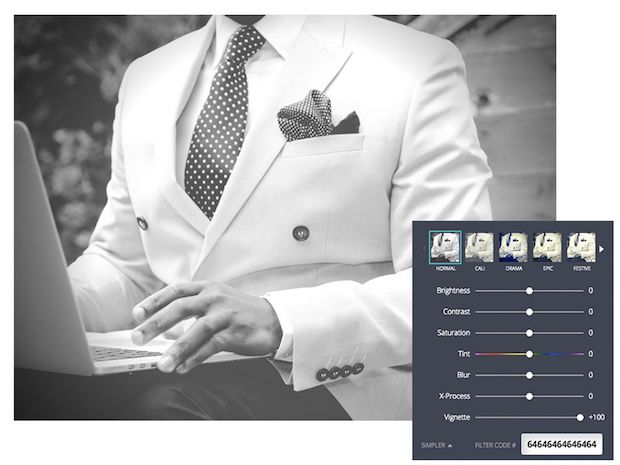
Features include:
- Over 8,000 templates
- Photo blur and vignette
- Image cropping and straightening
- Image transparency tool
- Design grids and photo frames
- Stickers and badges
- Add texture
- Speech bubble maker
- Photo enhancer
Unlike some other editing software, you can download Canva on your mobile phone and edit your photos instantly. The Canva Marketplace has tons of templates, photos, cards and icons that make your life easy in creating visual content for your site or blog.
Canva is a great tool for turning your photos into branded social media posts or graphic design projects. But, as a standalone photo editor, it lacks many of the more professional-level tools you'd expect. Still, if you want a photo editor that will help you make quick and beautiful Instagram graphics from your images, Canva is for you!
Cost
Canva offers three pricing tiers:
- Free – For quick projects, you can use Canva and 8,000 of their templates for free.
- Pro – Their most popular tier, the Pro subscription includes over 60,000 free templates and 60 million professional stock imagery for $9.95/user/month.
- Enterprise – Designed for larger collaborative teams, this tier includes unlimited storage and support for $30/user/month.
Get Canva now.
11. PicMonkey

PicMonkey is a complete graphic design package that allows you to edit photos, make collages, apply touch ups, crop and more. It will help you develop your design skills and bring out your creativity to easily edit your images.
With a free trial, you can test out all of PicMonkey's unique features before you make any purchases. Try using PicMonkey to edit your photos using specific templates or arrange your images into a collage.
Like Canva, PicMonkey's tools are designed to help you turn your stunning photos into works of graphic design marvel! While you can use PicMonkey to make basic photo adjustments including brightness and other touch ups, this program shines when used to add graphic elements.
Key Features
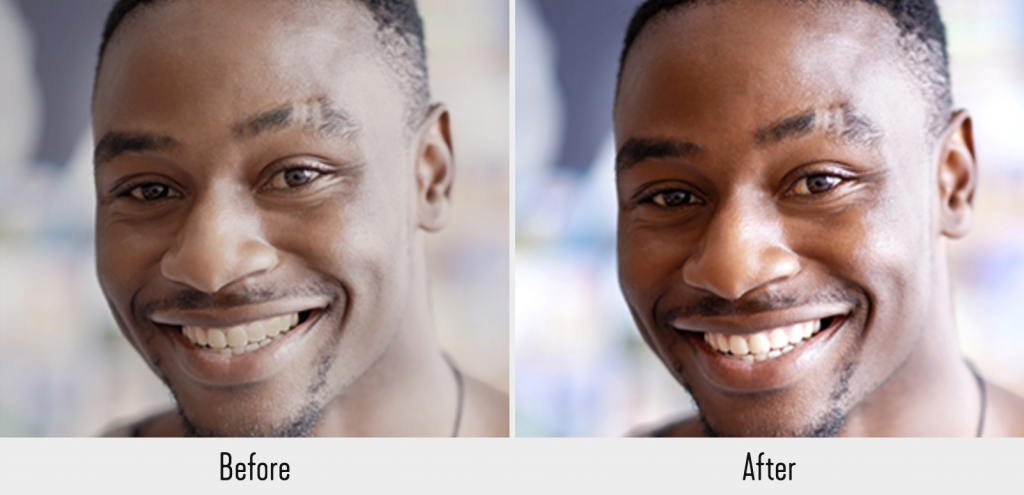
Features include:
- Basic Filters
- Collage effects
- Templates
- Blank canvas design
- Automatic sizing for social media
- Collaboration features
You can also print photos, cards, canvases and more directly from PicMonkey. Talk about a one-stop shop!
Cost
PicMonkey plans start at only $7.99/mo, which makes it one of the cheapest photo editing options on the market.
Still not sure? Try PicMonkey for free now.
12. Pixlr Editor
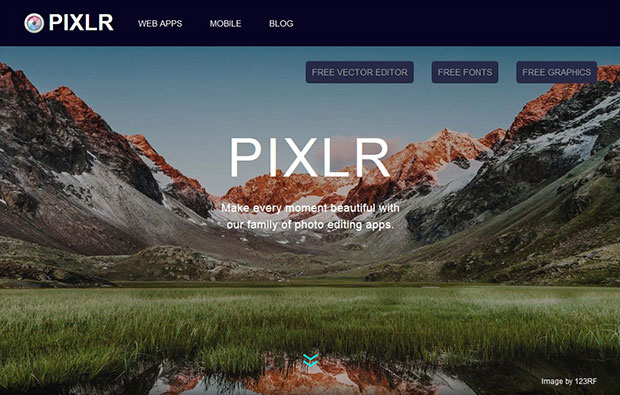
Although you can download a desktop or mobile app if you prefer, the Pixlr Editor is another great online photo editing software alternative. There's even the option to upgrade to "Pixlr X" if you're looking for a more advanced editing option.
The first thing you'll notice about Pixlr's interface is probably its similarity to Photoshop! The workspace is a bit simpler because it doesn't have quite as many tools, but the general layout looks the same.
Envira Gallery is the best WordPress Gallery plugin. Get it for free!
You can view your layers and editing history on panels on the right of the workspace and choose from a variety of editing tools from a left-hand vertical toolbar.
So, for those looking to build their way up to editing with Photoshop, Pixlr Editor is a good first step!
Key Features
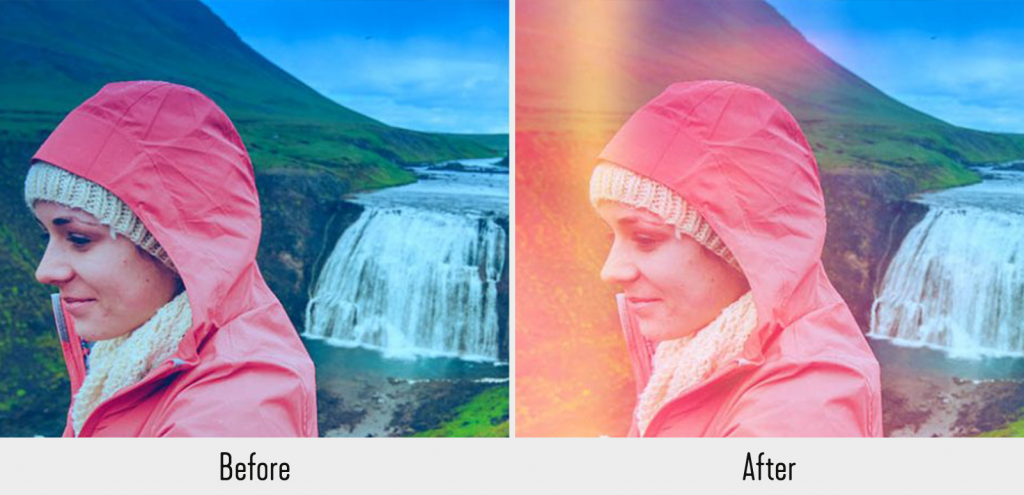
Like Photoshop, Pixlr allows you to add images to blank canvases, create unique effects, and add filters on-the-go.
Features include:
- Over 2 million free effects
- Filters and overlays
- Creative editing app
- Mobile and desktop downloads or web interface
- Various Pixlr versions to choose from
Cost
You can choose from Free, Premium, or Professional plans from Pixlr:
- Free – Enjoy free access to Pixlr X and Pixlr E, along with basic editing tools and limited stickers and overlays.
- Premium – This plan comes with unlimited access to Pixlr X and Pixlr E, as well as exclusive video tutorials and 7,000 extra stickers for just $3.99/month.
- Professional – The Professional plan includes free access to stock images, graphics, templates, fonts and video files, as well as AI tools and extensive editing tools for $14.99/month.
Get Pixlr now.
13. Snappa
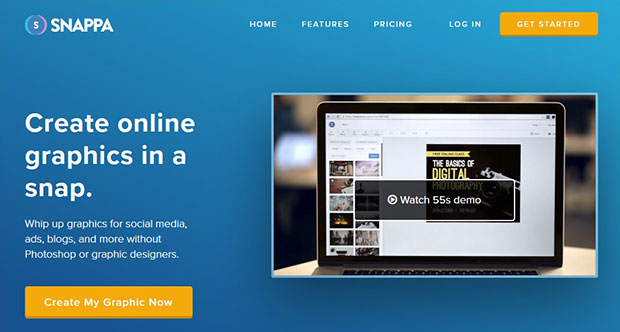
Snappa is an online graphics and design software available online for photographers who want to transform their images into something more.
Maybe you're looking to convert your pictures into social media banners, or photos for your blog. Snappa will help you to transform your images by adding new dimensions and effects with ease. And, you don't even have to download anything to get started.
Plus, Snappa promises "no learning curve," so this program is perfect for beginner photo editors and designers. The easily-accessible upper horizontal toolbar contains all the major tools you'll need to transform your image, including effects, text and graphics. Simply select a tool and set your customizations in the sidebar panel that opens.
Key Features
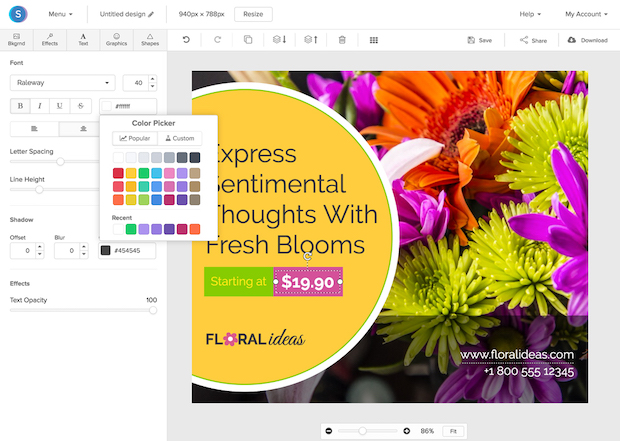
Features include:
- Drag and drop photo editing
- Image dimension templates
- Available high-resolution stock photos
- Add graphics and texts in seconds
- Share graphics on social media
Cost
Choose the right Snappa tier for you:
- Free – 1 user and access to 6,000 templates
- Pro – Unlimited downloads, social media sharing and custom fonts for 1 user for $10/month
- Team – Unlimited downloads, Buffer integration and team collaboration for 5 users for $20/month.
Get Snappa now.
14. PortraitPro
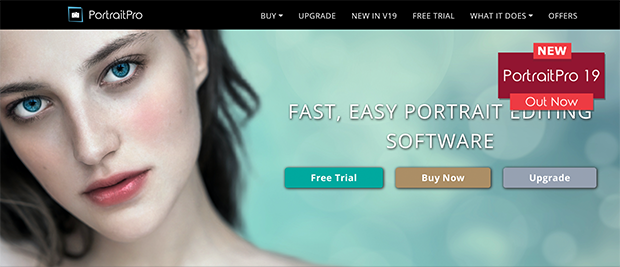
PortraitPro is a professional image editor designed for photographers who specialize in portrait photography.
The application includes everything you might need to edit skin tone, remove blemishes or wrinkles from your subject's face, add makeup and more. Also, it allows you to add effects to fix things like poor lighting or get rid of sagging cheeks.
New, built-in interactive tutorials make this program super easy to use, especially if you already know how you want your finished photo to look. PortraitPro saves your progress as you work through these tutorials, so you always know how your photo editing skills are improving!
Key Features
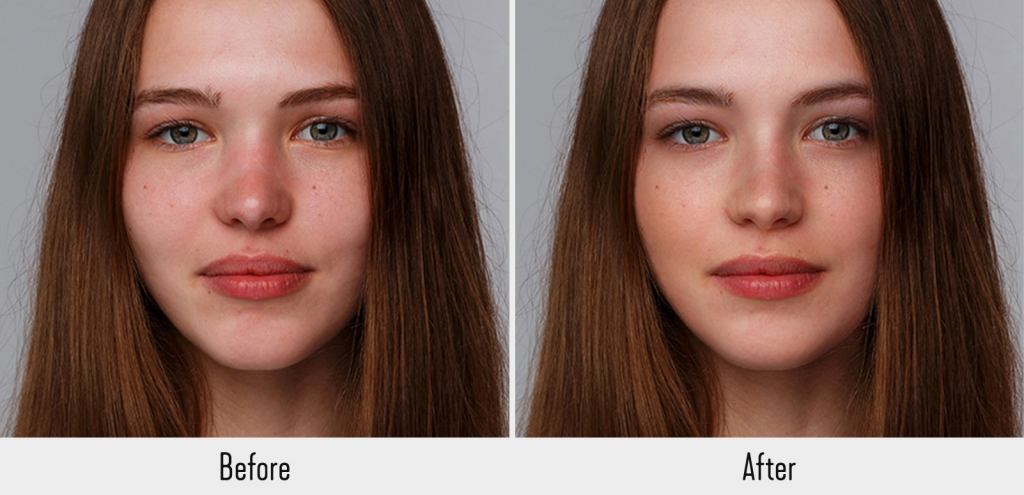
Features include:
- Advanced layering options
- Skin smoothing with ClearSkin 5 technology
- Wrinkle Remover
- Makeup tools
- Award-winning editing using sliders
- 3D relighting
- Expression sliders to enhance smiles, frowns and more
If you're a portrait photographer, you should definitely consider getting PortraitPro now!
15. Fotor
Fotor is a famous cloud-based photo editing software with over 300 million users. You can use a free desktop version of the software, with contains the same features available on its online photo editing platform.
Also, you can check the effects on your photos with scalable editing options. It has a simple to use interface which allows you to open RAW files and combine images in layers.
The cloud-based software allows you to save the incomplete designs for future editing. That way, you can start from where you left the work. All you need to do is upload your images onto the website and you can start editing, creating designs and more.
Key Features
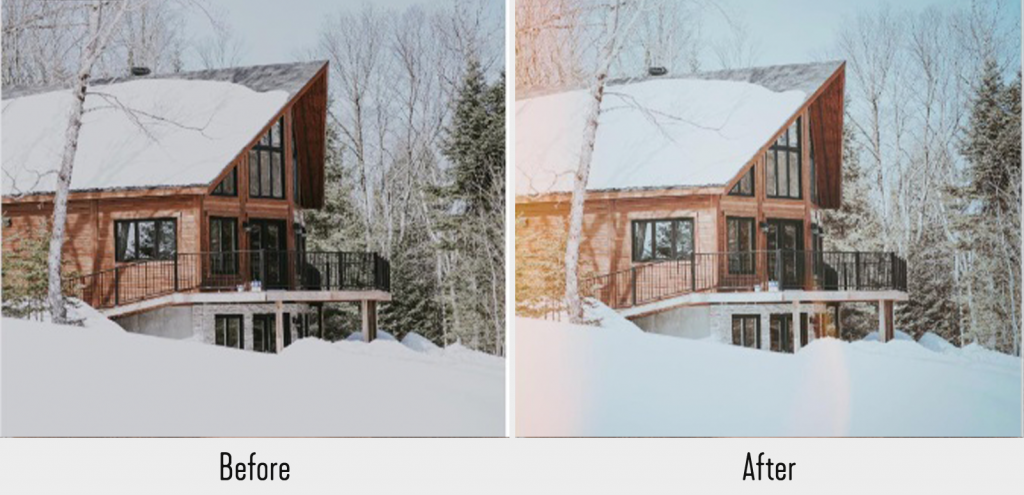
Features include:
- Photo editing suite
- HDR effects
- Filters and image touch-ups
- Portrait Retouching
- Design templates
- Hundreds of fonts, stickers, and shapes to choose from
Get Fotor now.
16. Inkscape
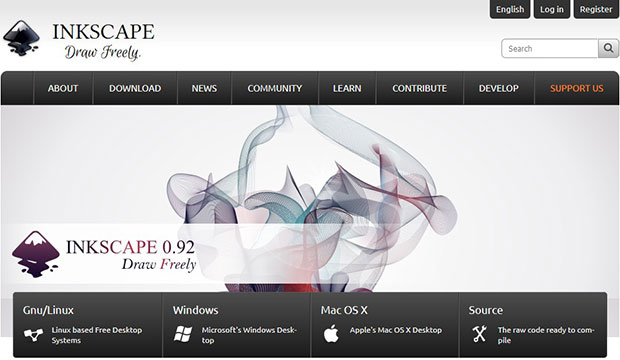
Inkscape is another 100% free piece of editing software perfect for budding photographers. You can download it on Windows or Mac, or you can access the source code if you want to put it into your own app.
Like Photoshop, Inkscape is designed to give you complete control over your images, whether you want to clone objects, manipulate the colors in your images or overlay text.
Key Features
It has dozens of available features, including:
- Color picker
- Multiple text formats
- Copy-paste object cloning
- Calligraphy tools
- Available extensions and add-ons
With Inkscape, you can even create animations to overlay your photos!
If you find that you like to add vector elements to your photographs, Inkscape is a great program to consider.
Get Inkscape now.
17. Capture One
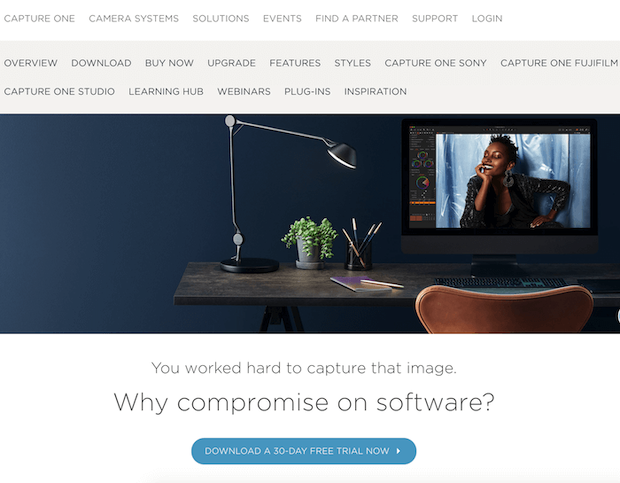
Capture One is a RAW image editor made by the camera company, Phase One. It is similar to the other software on this list, but with some solid distinctions.
Capture One Interface
Like any truly great photo editor, Capture One allows you to customize its layout to your liking. You can even create and modify the program's keyboard shortcuts so that they're intuitive to you and tailored to your needs.
And, like Lightroom, Capture One doubles as a photo editor and an organizer. But, its photo library functions a bit differently than Lightroom.
Capture One stores your photos both in sessions and in collections. What's the difference? Sessions allow you to group your photos by shoots for different clients, which helps you better find the best images to edit. Collections allows you to manually sort your images.
And, Capture One offers a keywording tool so that you can tag your photos with your own unique tags. Then, you can more easily locate similar images. For example, you could tag all of your portraits with a "portraits" tag, so that you could pull up all of your portrait photos in a simple keyword search.
Key Features
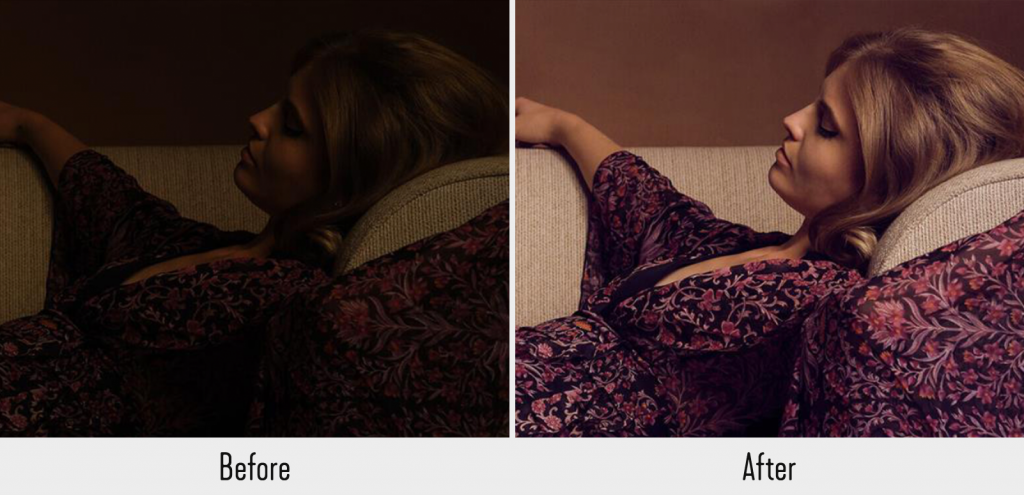
With Capture One, you get:
- Layers – Not all editing tools have layers, and those that do can start to lag if you pile on too many. Capture One doesn't grow sluggish, despite offering many adjustments to make on each layer.
- Advanced Color Editing – Capture One gives you more flexibility with sliders to adjust the granularity of color changes (even for the same colors).
- Annotations – Make notes for your self or streamline collaborations with Capture One's annotations tool.
- Speed – When handling large volumes RAW files over 20 megapixels large, Capture one has shown to operate at a higher performance level than the professional heavyweight contenders in this space.
- Option to pay a one-time flat fee – While you can purchase a monthly plan — which is double the cost of Adobe Creative Cloud's Plan — you do have the option to purchase Capture One for a one time fee.
Capture One Extras
Like many of its competitors, Capture One offers opportunities to expand its capabilities with plugins and presets. Compared to addons offered for other photo editing programs, Capture One's addons are relatively new to the software. But, that doesn't make them less powerful.
For example, a plugin for Format allows you to upload your work directly to your online portfolio at Format through the Capture One software. That same plugin also lets you submit proofing galleries to clients and update your online blog.
Presets also help you to expand the software's functions by providing you with editing formulas to achieve specific photo edits. These styles and presets work to make your edits even faster.
Of course, because Capture One isn't quite as well-known or as popular as Adobe or Skylum, fewer presets exist on the Capture One marketplace. However, as more and more people discover just how great Capture One is, that tide will continue to shift.
Cost
How much you'll pay for Capture One depends on the plan you choose. Unlike many photography software, Capture One offers different software for different cameras. Choose from these single-user packages:
- Capture One for Every Camera – Subscriptions start at $20/month. Purchase a license for a $299 one-time fee.
- For Fujifilm – Subscriptions start at $9.99/month. Purchase a license for a $129 one-time fee.
- For Sony – Subscriptions start at $9.99/month. Purchase a license for a $129 one-time fee.
- For Nikon – Subscriptions start at $9.99/month. Purchase a license for a $129 one-time fee.
Get started with a 30 day free trial of Capture One.
What Is Photo Editing Software?
Photo editing software was designed to help you elevate and perfect your photography. These programs allow you to adjust your photos after you've shot them — a feat that, prior to their invention, was impossible.
Before the invention of photo editors, photographers had to pay even closer attention to achieving perfect exposure, coloration, focus and more in-camera. Now, you can adjust, change, or completely manipulate those aspects, sometimes regardless of what your original photo looked like.
Many photo editors now make editing your photography even easier by automating adjustments with presets, filters and more. Many also offer batch processing features so that you can apply adjustments to multiple of your photos at once.
Every photographer — from amateurs and hobbyists to professionals — needs to have a photo editor on-hand to help them create the best possible versions of their work.
If you want your photography to look polished, creative and professional, you need to work with a photo editor.
What Should You Look for in Photo Editing Software?
Given the sheer number of photo editors to choose from, knowing which will best suit you and your photo editing needs can be overwhelming. That's why it's helpful to know what to consider so that you can make the right decision.
Here are a few factors you might consider when choosing a photo editing software:
1. Editing Features
While all of the editing software options on this list can handle basic edits, more complex and specific editing techniques will be easier to achieve with some programs over others.
You should take your most common editing goals into consideration when choosing a photo editing software. What are your priorities when editing your photography? Do you primarily stick to basic adjustments like exposure and white balance? Or, do you like to get creative with text, filters and brushes?
Your answers to these questions will guide you to the right photo editing software for you. If you know that you often apply more advanced techniques like skin retouching, background removal and more to your photos, then you'll need a photo editor with a wider variety of editing tools.
2. Organization Tools
Do you want a photo editor that can both edit your photos and organize them? Some programs can do both!
Think about your current photo organization system and whether it's working for you. If you're someone who likes to keep your photography organized and all in the same place, a dual organizing and editing program like Adobe Lightroom might be the best fit for you.
3. Workflow
Finding a photo editing workflow that you enjoy is key to creating great edited photos. If you're a beginner editor, you may not have an established workflow when editing your photography. In that case, choose a photo editor you like for other reasons and grow your workflow to fit the software.
If, on the other hand, you're an experienced photo editor with an established editing workflow, you should take into account the interface of other photo editors you're interested in. Is the editing workspace laid out in a way that complements your workflow and is user friendly?
4. Photo Sharing Capabilities & Integrations
After you've edited your photography, the next step in building a photography business is sharing your photos online. Some of the best photo editors have photo sharing integrations built into the software to make photo sharing streamlined and simple.
Check to see how a given photo editor handles photo sharing before you commit. Some programs, like Lightroom, can be adjusted to make sharing photos directly to WordPress easy. Others have social sharing buttons that allow you to post your edited images to Instagram and Twitter without ever leaving the editing software.
5. Expansion Opportunities
As your photography skills grow, your photo editing skills will also grow. The question is, can your photo editor grow with you?
Consider choosing a photo editor that supports downloadable presets, effects, filters and brushes. These editors are expandable, which means you won't outgrow them.
6. Online Resources
Knowing what online resources are available is important when switching photo editors. Some more widely-used editors have been written about extensively online, while others have less coverage. If you're new to photo editing, then you may want to choose a photo editor with a lot of online tutorials.
Plugging into an online community of fellow program users can help you make the most of whichever editor you choose.
Which Photo Editing Software is Right for You?
If you're looking for a simple, free editor that handles basic edits, then GIMP may fit the bill. While you aren't likely to grow your photo editing skills with this editor, it's great for non-photographers who need to make a small adjustment to one or two images.
For more serious photo editors and photographers, we recommend the powerful industry standard editor Adobe Lightroom, which comes with Adobe Photoshop in the Photography and Creative Cloud Plan. Since they are subscription based, you'll be among the first to access cutting edge editing features as they release them.
Once you've got your pictures edited with one of our photo editing software picks from above, you'll need to display them on your website with an amazing online gallery. And, you'll want a gallery that can scale your images and won't slow down your site.
Luckily, Envira Gallery allows you to use pre-built layouts, sell your pictures, speeds up your WordPress website and has tons of other features photo pros need.
Envira Gallery is the best WordPress gallery plugin on the market. It's the highest ranked and recommended gallery plugin with over 2.5 million downloads! With it, you can create beautiful gallery layouts that will convert visitors into customers. Choose Envira Gallery to make your photography website work for you.
We hope this guide has helped you to find the best photo editing software for photographers. Let us know your experience with these picks in the comments!
Be sure to check out our most popular articles below:
- 121 Best Free Lightroom Presets That You Will Fall in Love With
- Top 11 Places to Sell Photos Online and Make Money
- SEO for Photographers: 31 Steps to Rank Your Photos in Google
If you like this guide, then join our email list on the right side of this page and follow us on Facebook and Twitter for more free photography software and resources.
Using WordPress and want to get Envira Gallery free?
Envira Gallery helps photographers create beautiful photo and video galleries in just a few clicks so that they can showcase and sell their work.
Related Posts



Source: https://enviragallery.com/best-photo-editing-software-for-photographers/
0 Response to "Best Program to Do a Continual Picture Display"
Post a Comment